
Barcelona Travel Guide

Explore Turkey's earthquake history map from 1114 to 2023, featuring major earthquakes in Istanbul, Erzincan, Izmir, Van, and Kahramanmaras. Discover historical earthquake magnitudes, epicenter locations, active fault zones, and the devastating seismic events that shaped Turkey's history. Explore centuries of seismic activity through a detailed historical earthquake map.
Discover Barcelona
A documentary-style journey in 8 chapters. Tap a chapter to jump straight to it.
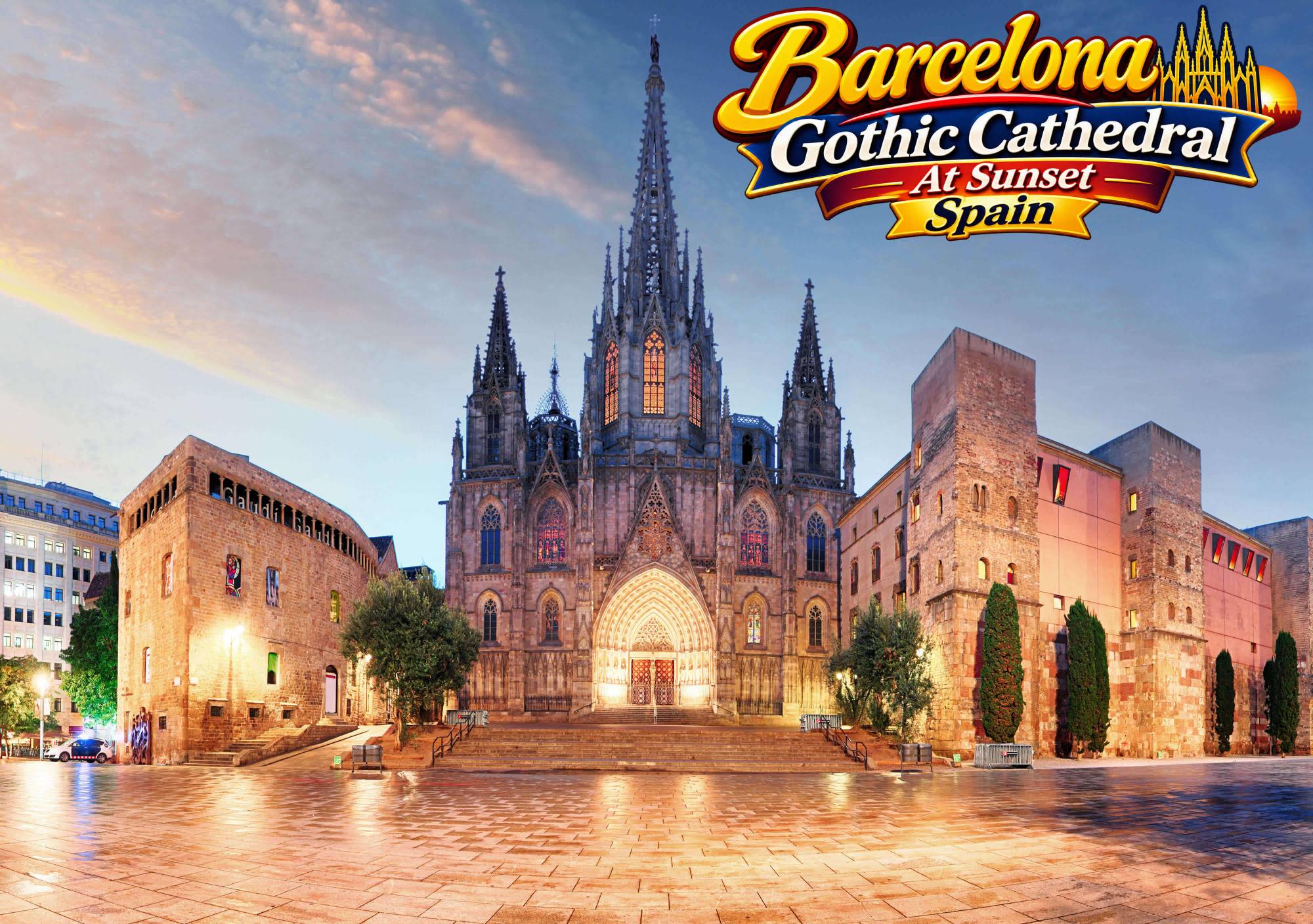
The Old City
The story begins with Barcino, a small Roman colony by the sea. Fragments of its walls still survive in the Gothic Quarter, where medieval lanes wind beneath the spires of the cathedral.
Close by, La Rambla carries a steady river of people from the heart of the city down toward the old port, a stage for street life, cafés and conversation, from morning until long after midnight.
- Roman Barcino
- Gothic Quarter
- La Rambla
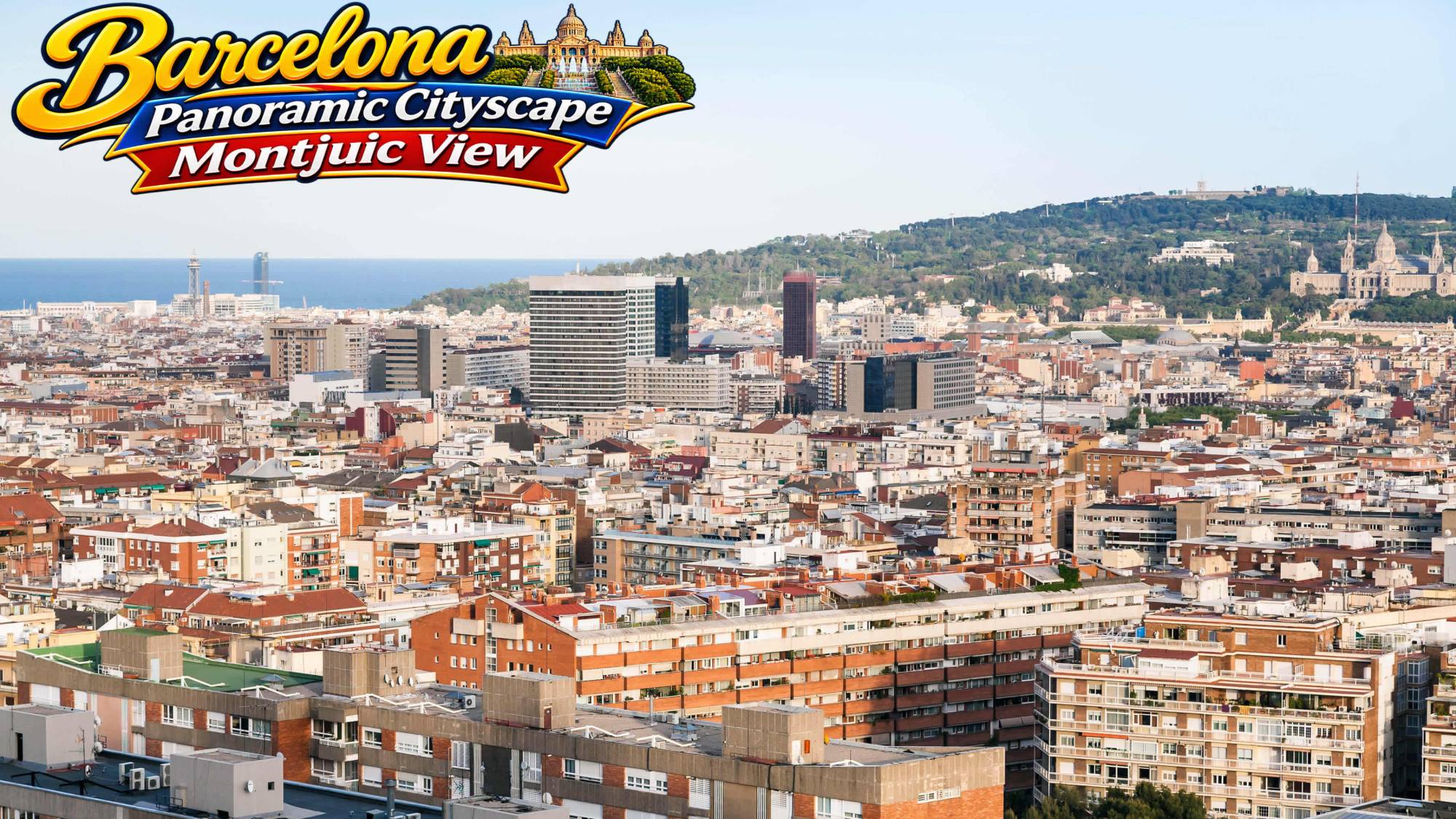
The Eixample
By the eighteen-fifties the old city was dangerously overcrowded. Barcelona tore down its medieval walls, and engineer Ildefons Cerdà drew a bold new district: the Eixample, "the Extension".
From above, the design is unmistakable. Each block has its corners cut away, turning every crossroads into an open octagon, planned for light, air and movement.
After dark, the grid glows like a circuit board, watched over by the bullet-shaped Torre Glòries.
- Cerdà's grid
- Chamfered corners
- Torre Glòries
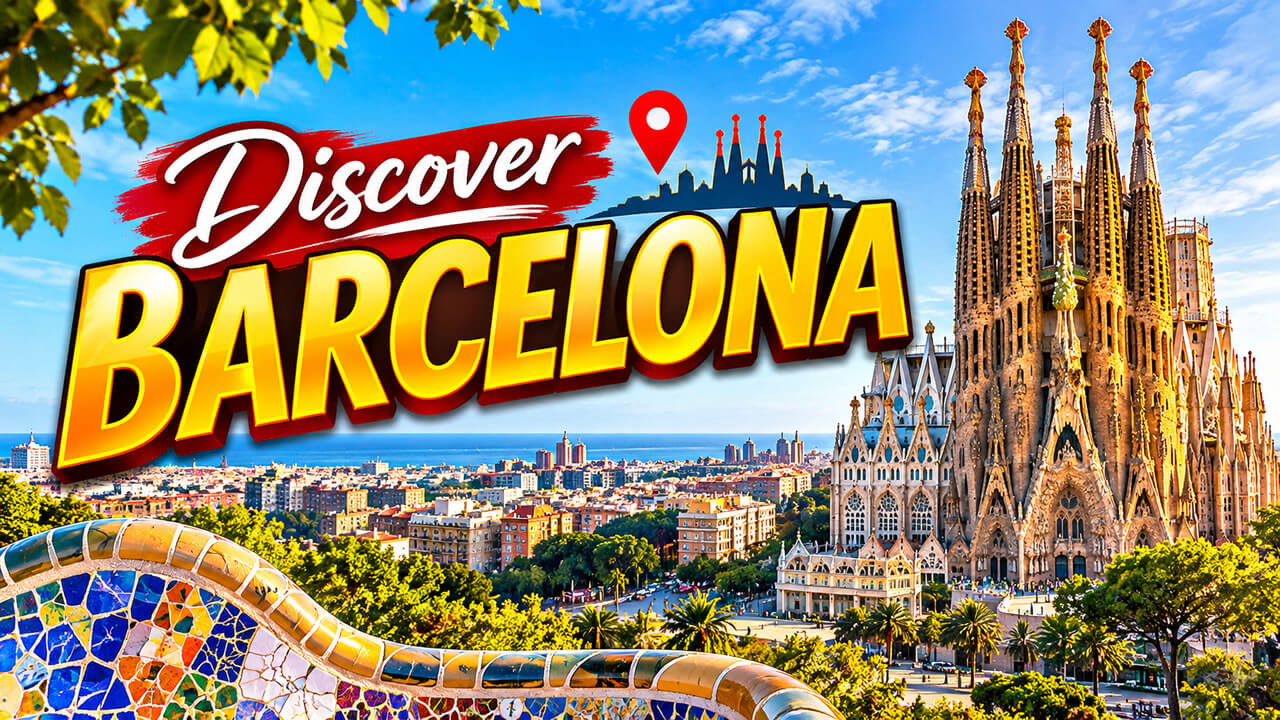
Gaudí's Masterpiece
In 1883, a young Antoni Gaudí took over a modest church project and made it his life's work. The Sagrada Família is architecture inspired by nature: towers that rise like stone forests, façades alive with sculpted stories.
Gaudí devoted more than forty years to it, yet when he died in 1926 it was far from finished. Construction continues today, funded by donations and the millions who come to see it.

Park Güell
Above the city, Gaudí let his imagination play. Park Güell began in 1900 as a garden estate for wealthy families, backed by his patron Eusebi Güell.
Only two houses were ever built, yet the project's failure became the city's gift. Today it is a public park of fairytale gatehouses and a serpentine bench wrapped in trencadís: mosaics of broken tile.
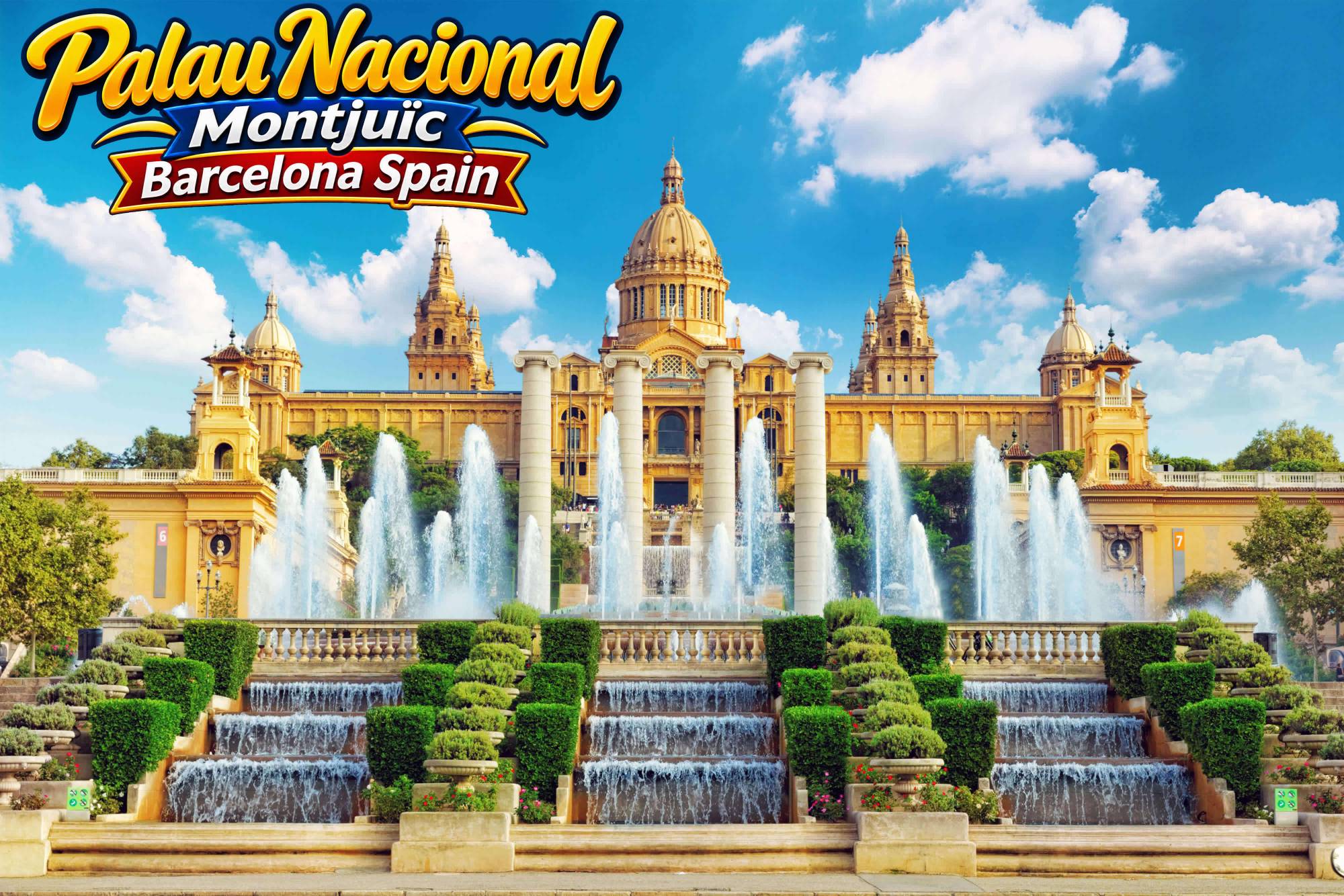
Montjuïc & Tibidabo
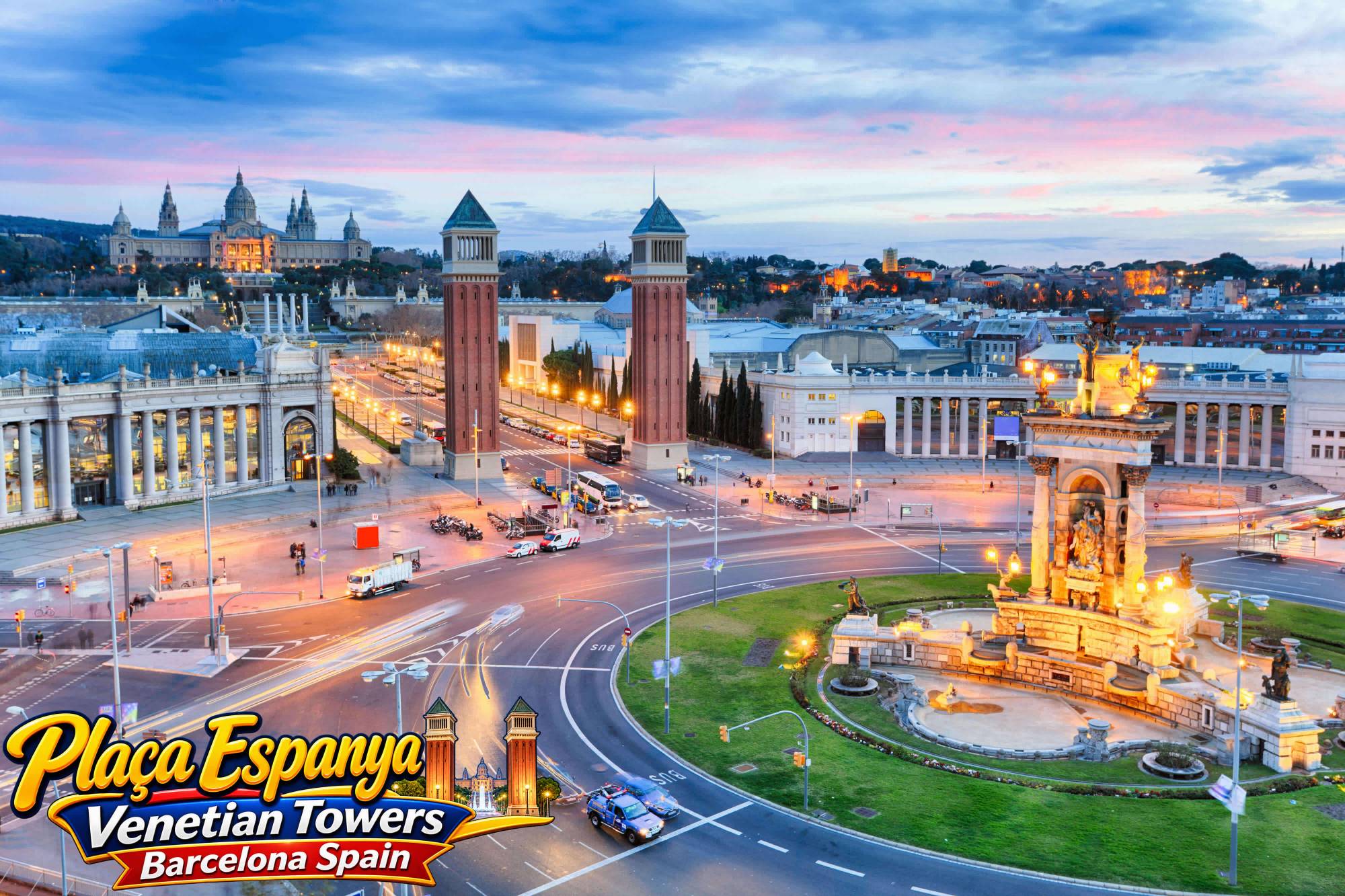
To the southwest rises Montjuïc. At its foot, the Venetian Towers of Plaça d'Espanya and the Magic Fountain were built for the 1929 International Exposition. And across the city, Tibidabo crowns the skyline at more than five hundred metres, its hilltop church keeping watch over everything below.
The City & the Sea
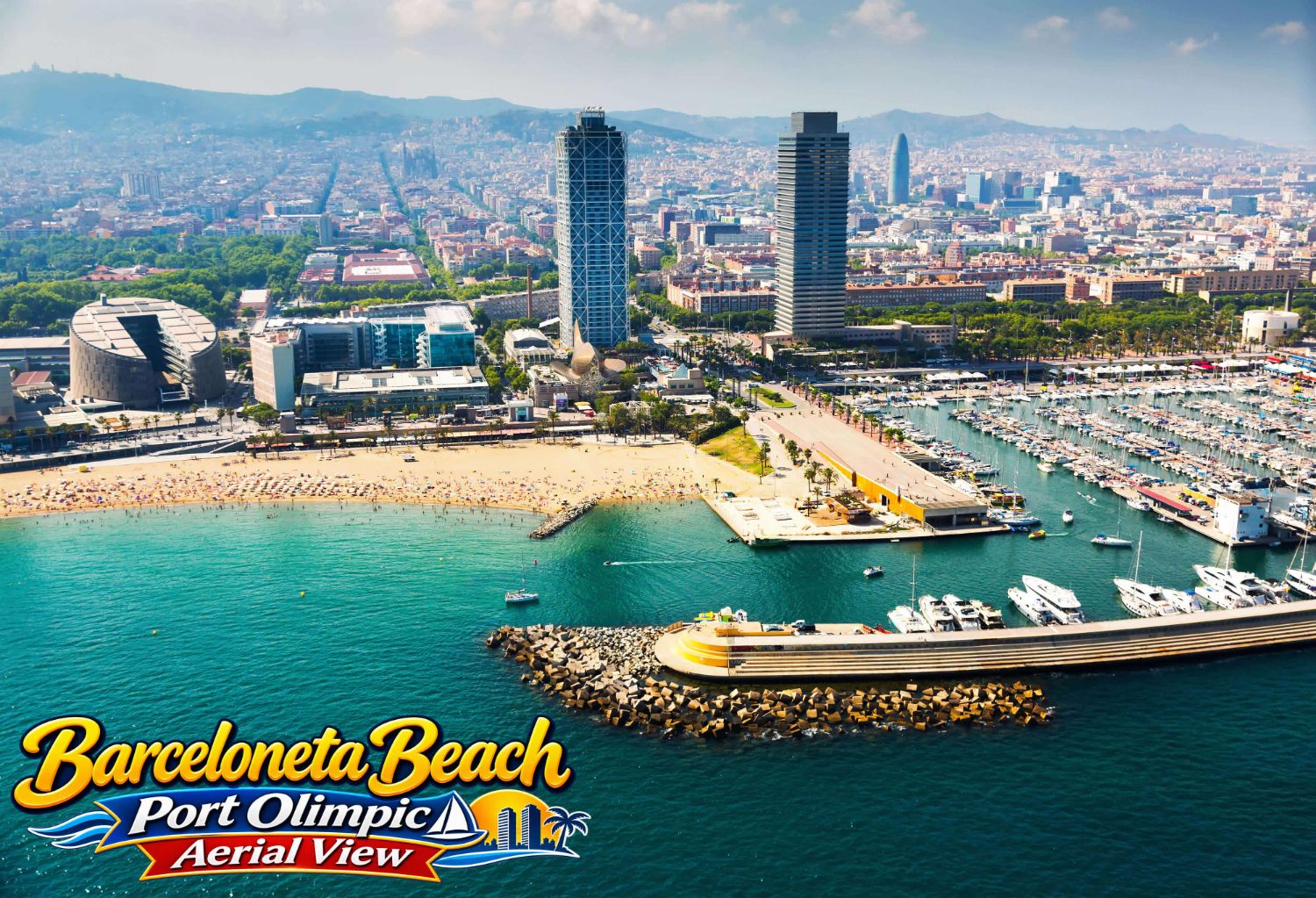
For generations Barcelona turned its back on the sea; much of its shoreline was given over to industry and railway lines. The 1992 Olympic Games changed that.
The city reclaimed its coast, opening new beaches and building the Olympic Port, overlooked by twin towers. Today, from the old seafaring quarter of Barceloneta to the sail-shaped hotel at the harbour's edge, life here moves to the rhythm of the waves.
- Olympic Port
- Barceloneta
- Reclaimed coastline