
Who Ruled the World During the Time of Jesus? | Ancient Empires in 4K
Step back into the first century and witness the geopolitical titans that shaped the globe in this stunning 4K cinematic journey. While the Roman Empire famously dominated the Mediterranean during the life of Jesus, the world stage was far more diverse and competitive than many realize. From the sophisticated Han Dynasty in the East and the formidable Parthian Empire to the rising Kushan Empire, this exploration delves into the power struggles, cultures, and borders of the era's greatest civilizations. Whether you're a student of ancient history or a curious observer, discover the interconnected world of 2,000 years ago, where trade routes flourished and colossal empires defined the course of human destiny.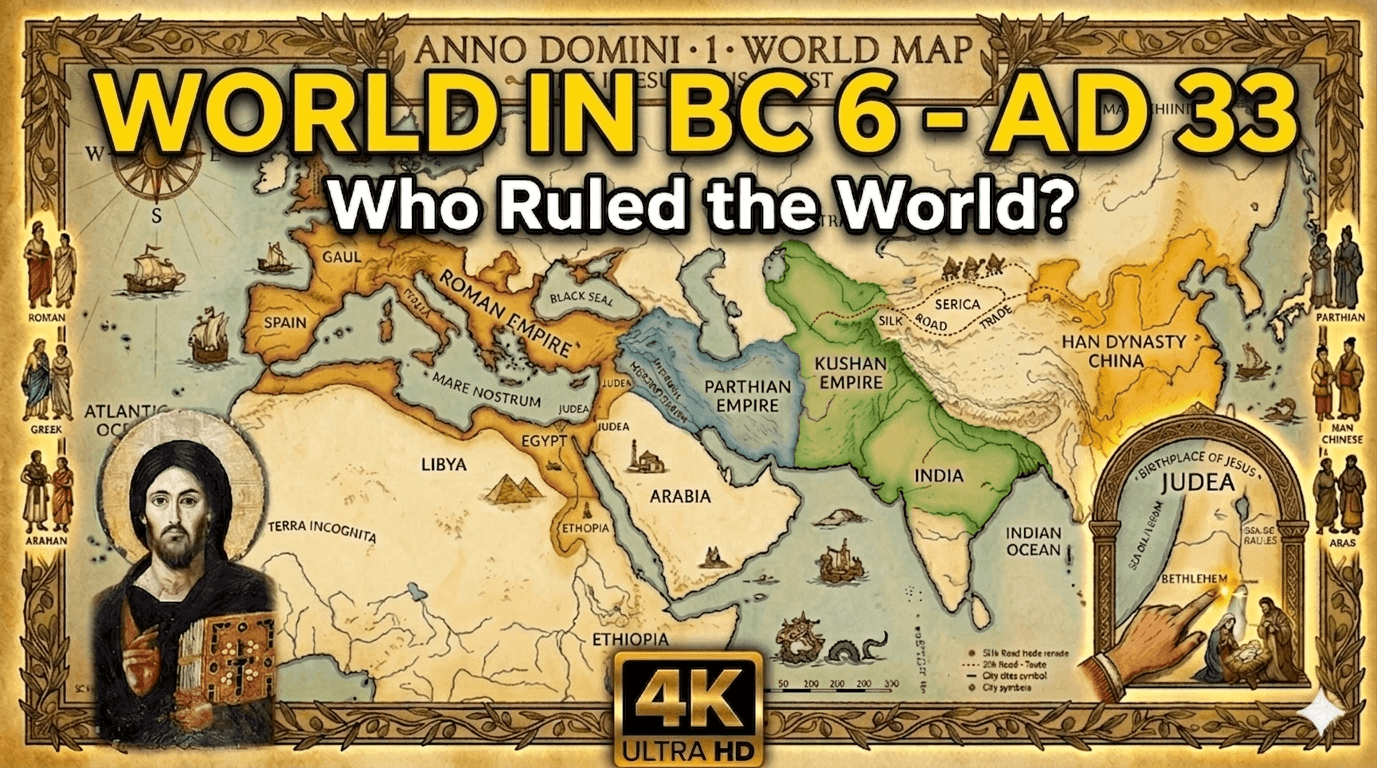
What did the World look like when Jesus Christ was born?
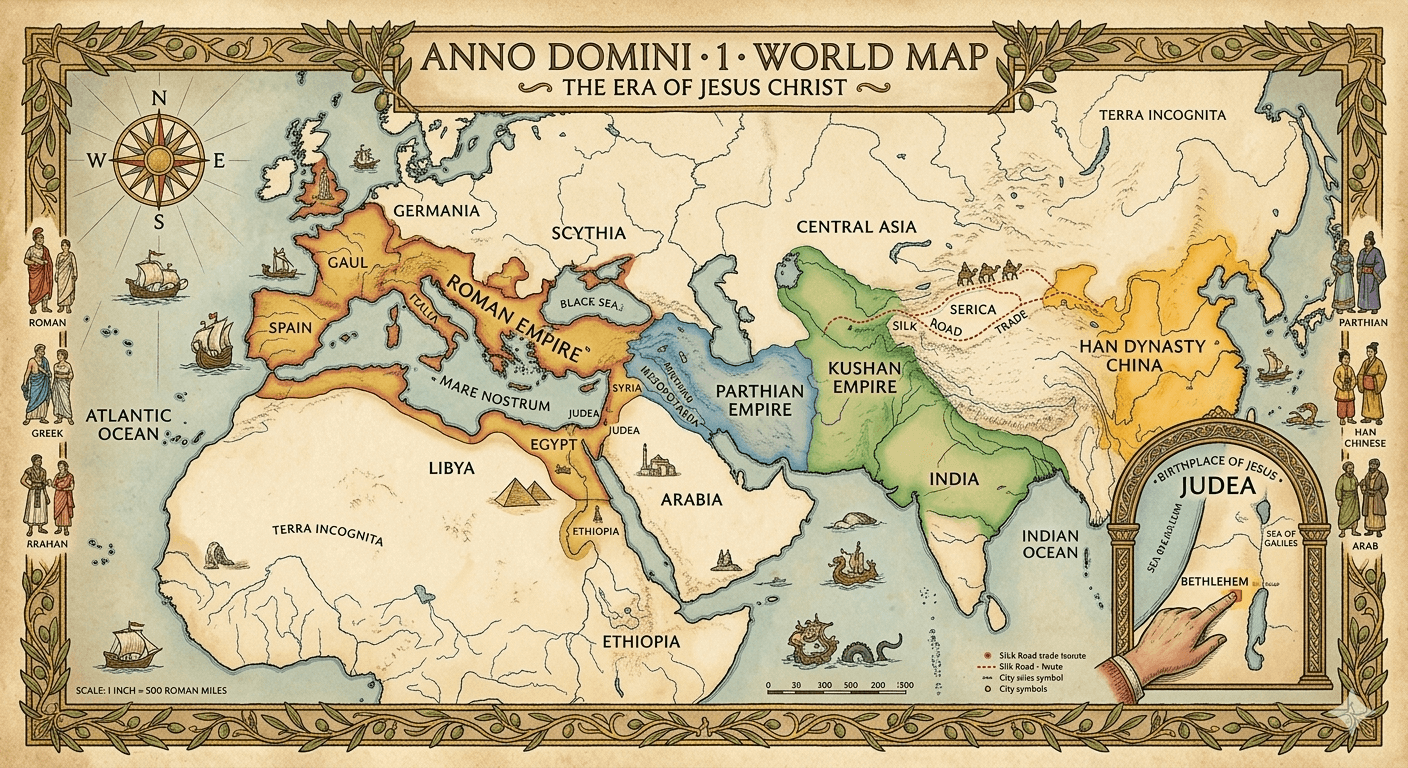
In 1 AD, the World was dominated by powerful empires that shaped history—led by the vast Roman Empire, stretching across Europe, North Africa, and the Middle East, where Jesus himself lived under Roman rule.
To the east, the mighty Parthian Empire rivaled Rome, controlling key trade routes of the Silk Road, while the Han Dynasty governed a flourishing China with advanced technology and a massive population. This was a world of competing powers, expanding cultures, and interconnected civilizations—a moment in history where politics, religion, and empires collided to shape the future of humanity.
WORLD in JESUS TIME - WHO RULED THE WORLD | 4K
Watch this video directly on YouTube
Watch on YouTubeFor the best viewing experience, watch the full video on the World Guide YouTube channel at youtube.com/@WorldGuide.
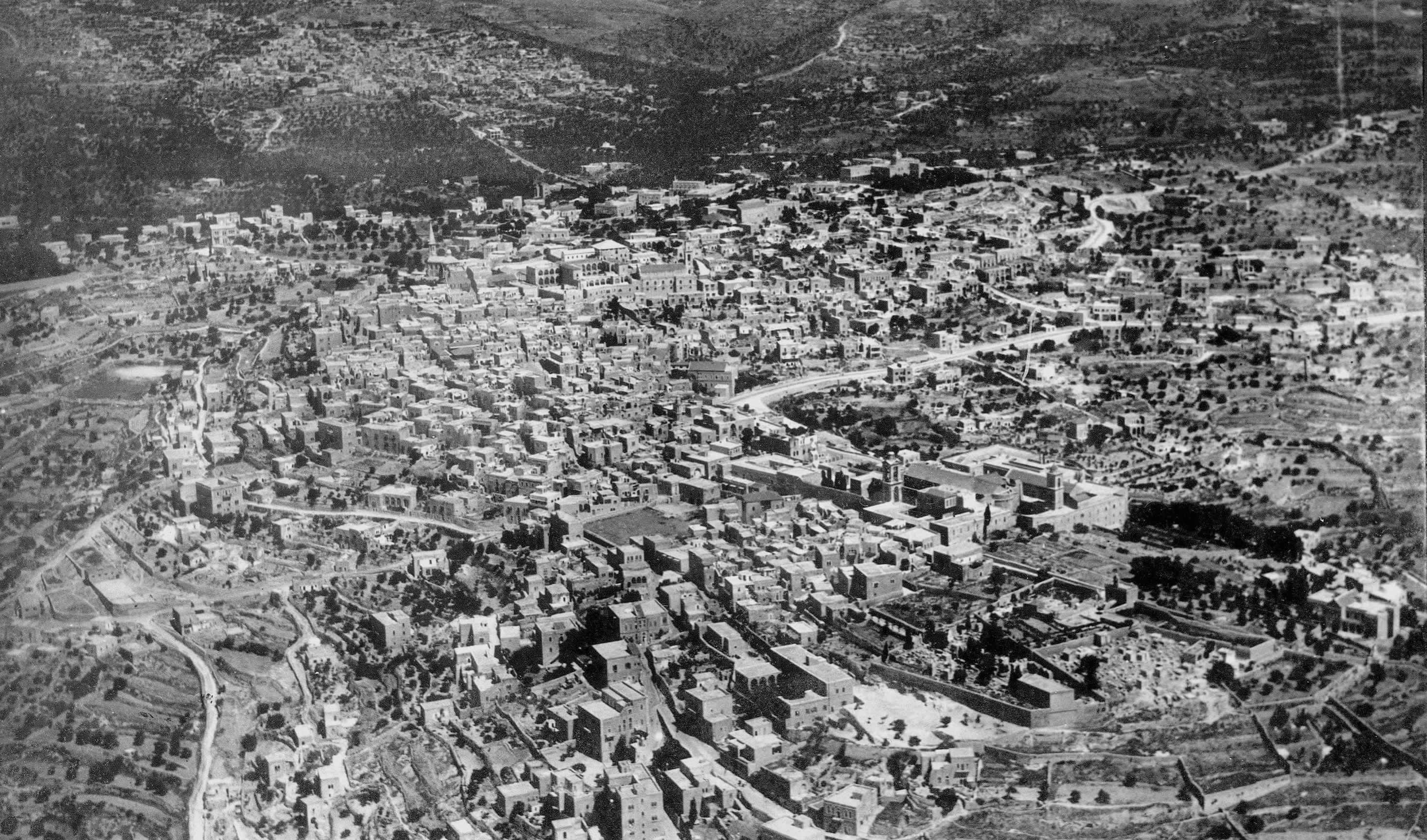
From Roman Judea to Modern Bethlehem: The Birthplace of Jesus Across Time
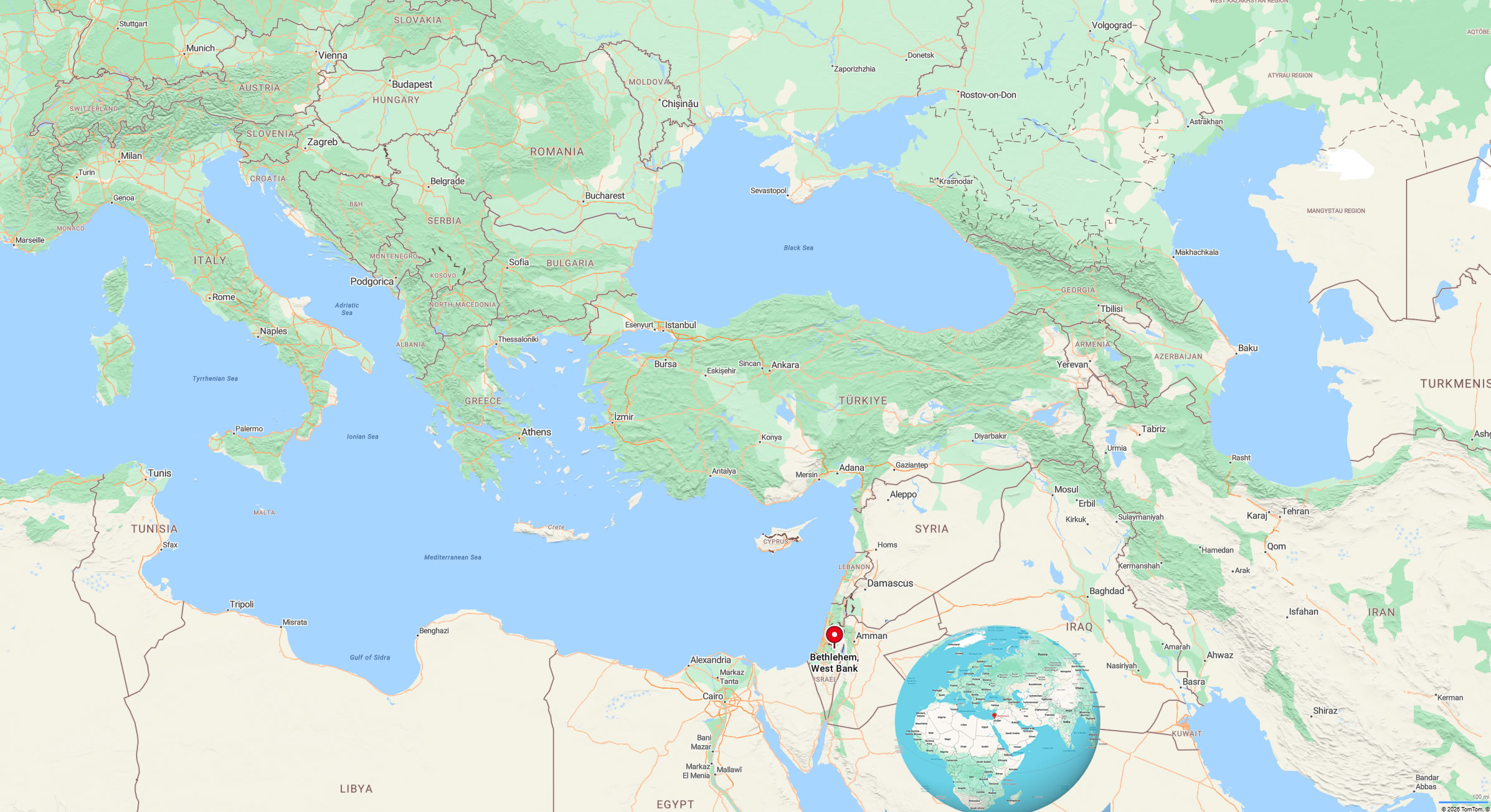
Jesus Christ is traditionally believed to have been born in Bethlehem, a small town located in the region of Judea. At the time of his birth—around 4–6 BC—Bethlehem was part of the Roman province of Judea, under the rule of the Roman Empire. It was a modest settlement near Jerusalem, known in Jewish tradition as the City of David. Politically, the region was governed by Roman authority through local rulers like King Herod, and culturally it was deeply rooted in Jewish religious life.
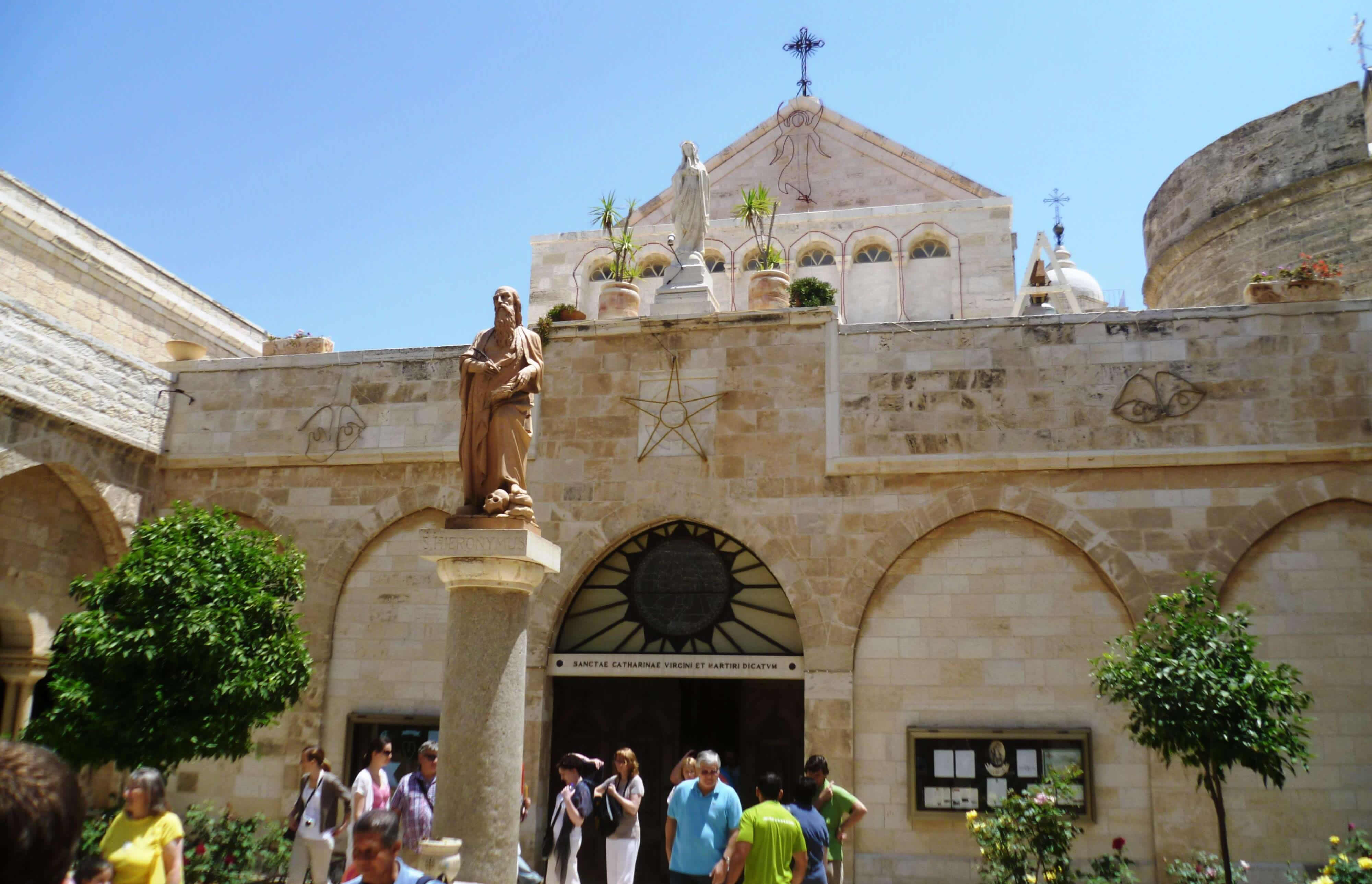
In contrast, today Bethlehem is located in the West Bank, a territory in the Middle East associated with the Palestinian regions. It lies about 10 kilometers south of Jerusalem and is recognized as a significant religious and historical site, especially for Christians. One of its most important landmarks is the Church of the Nativity, which is traditionally considered the exact birthplace of Jesus Christ. While the political landscape has changed dramatically over the centuries, Bethlehem continues to be a symbol of spiritual heritage and historical continuity connecting the ancient world with the modern era.
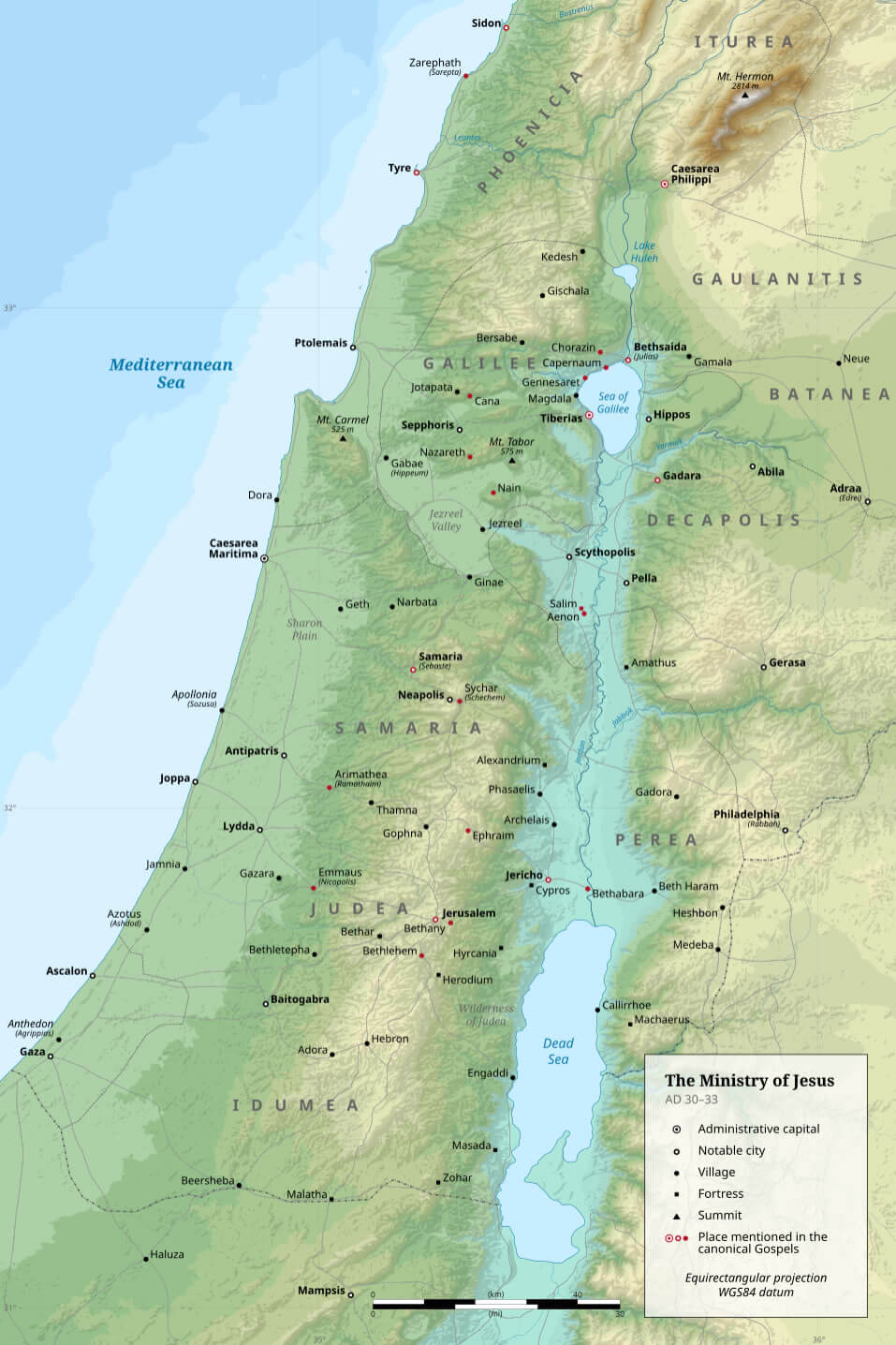
Judea Galilee and neighbouring areas map at the time of Jesus
From Humble Birth to Eternal Legacy: The Life of Jesus Christ That Changed the World
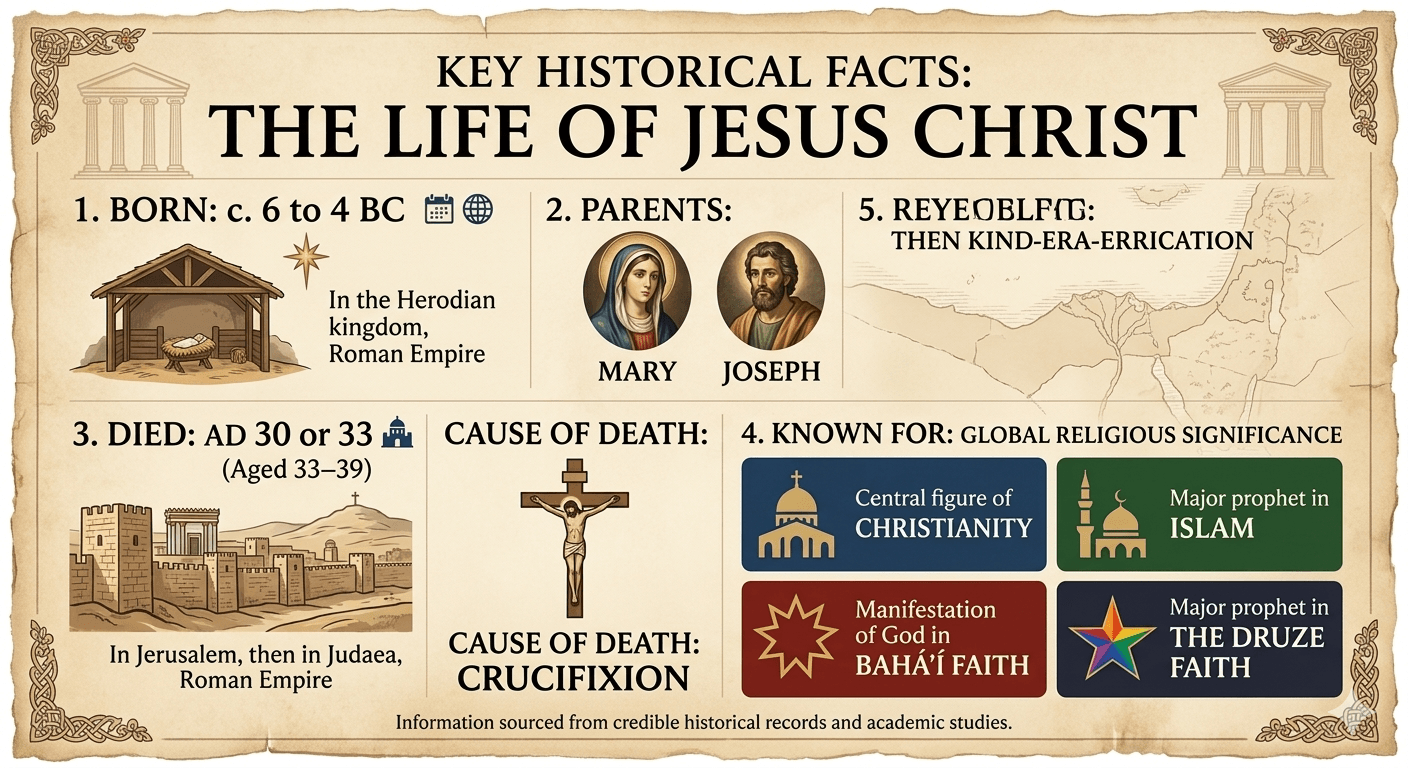
Born between 6 and 4 BC in the Roman-controlled Herodian Kingdom, Jesus Christ rose from humble beginnings to become one of the most influential figures in human history—revered as the central figure of Christianity, recognized as a prophet in Islam, and seen as a divine manifestation in other faiths—before his life came to a dramatic end through crucifixion in Jerusalem around AD 30–33, leaving behind a legacy that continues to shape billions of lives across the world today.
The Rulers of Rome During the Lifetime of Jesus (6 BC – AD 33)
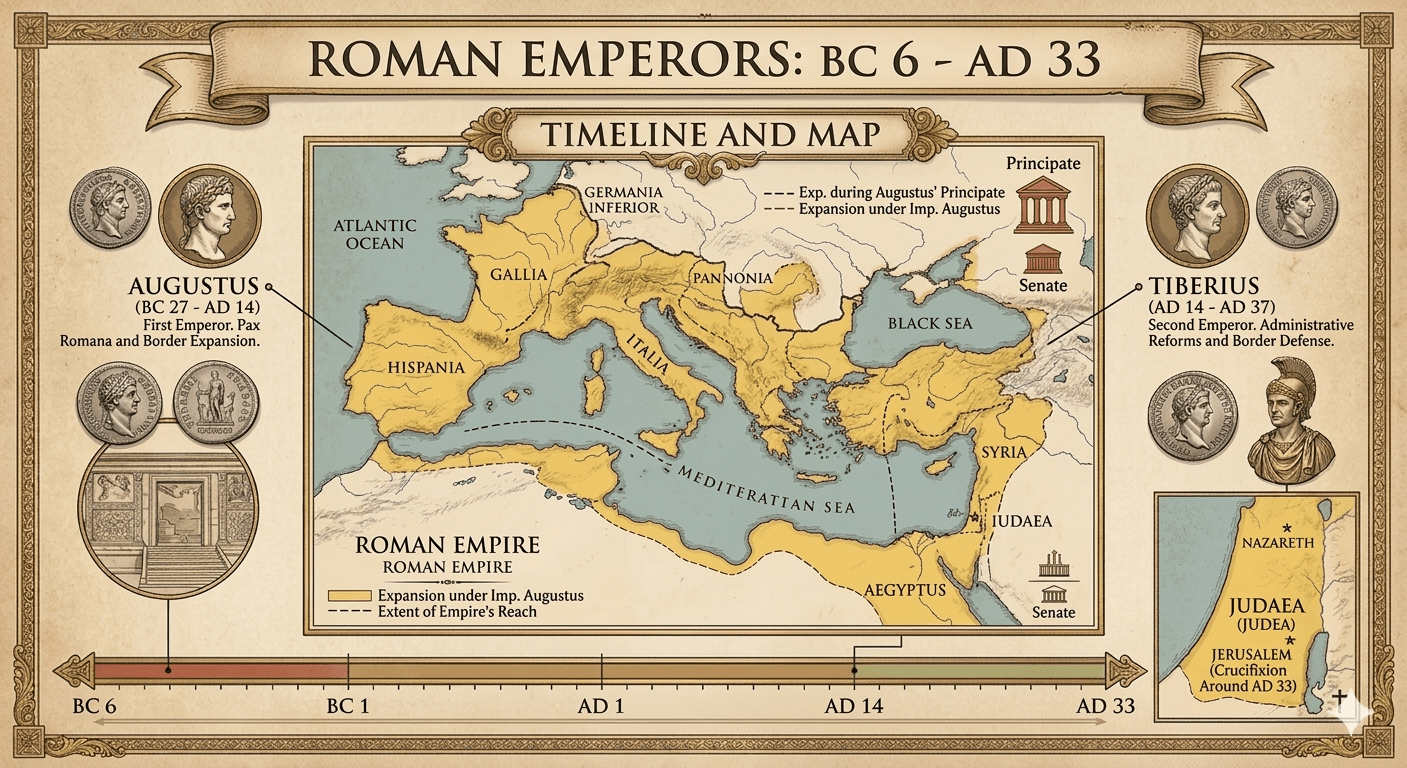
Between 6 BC and AD 33, the Roman Empire was ruled by two powerful emperors who shaped the political landscape of the time. The first was Augustus (reigned 27 BC – AD 14), the founder of the Roman Empire and the man who brought stability after years of civil war. It was during his reign that Jesus Christ was born, in a world newly unified under Roman rule. Augustus established a system that allowed Rome to expand, prosper, and maintain control over vast territories, including Judea.
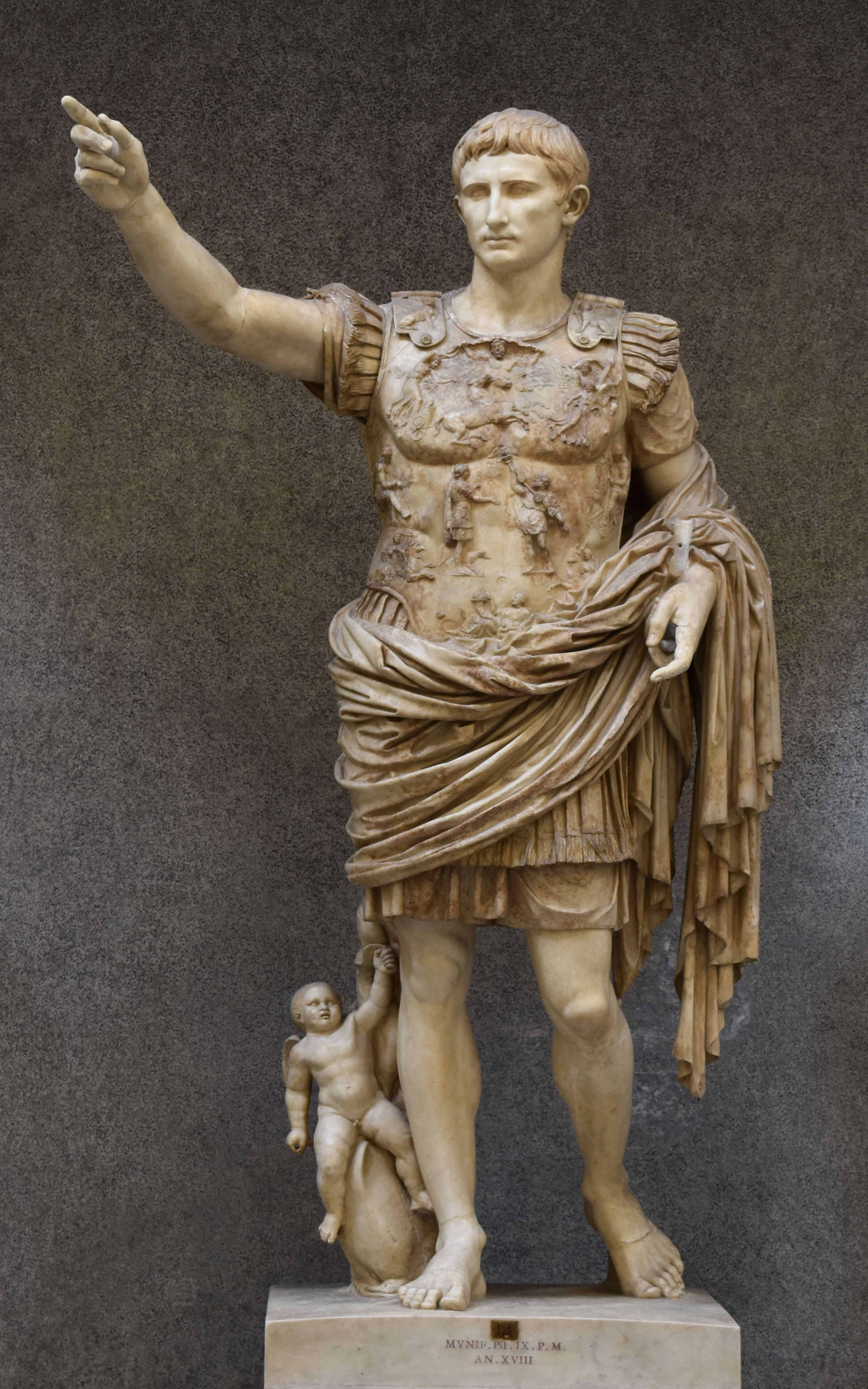
Augustus of Prima Porta Roman Emperor
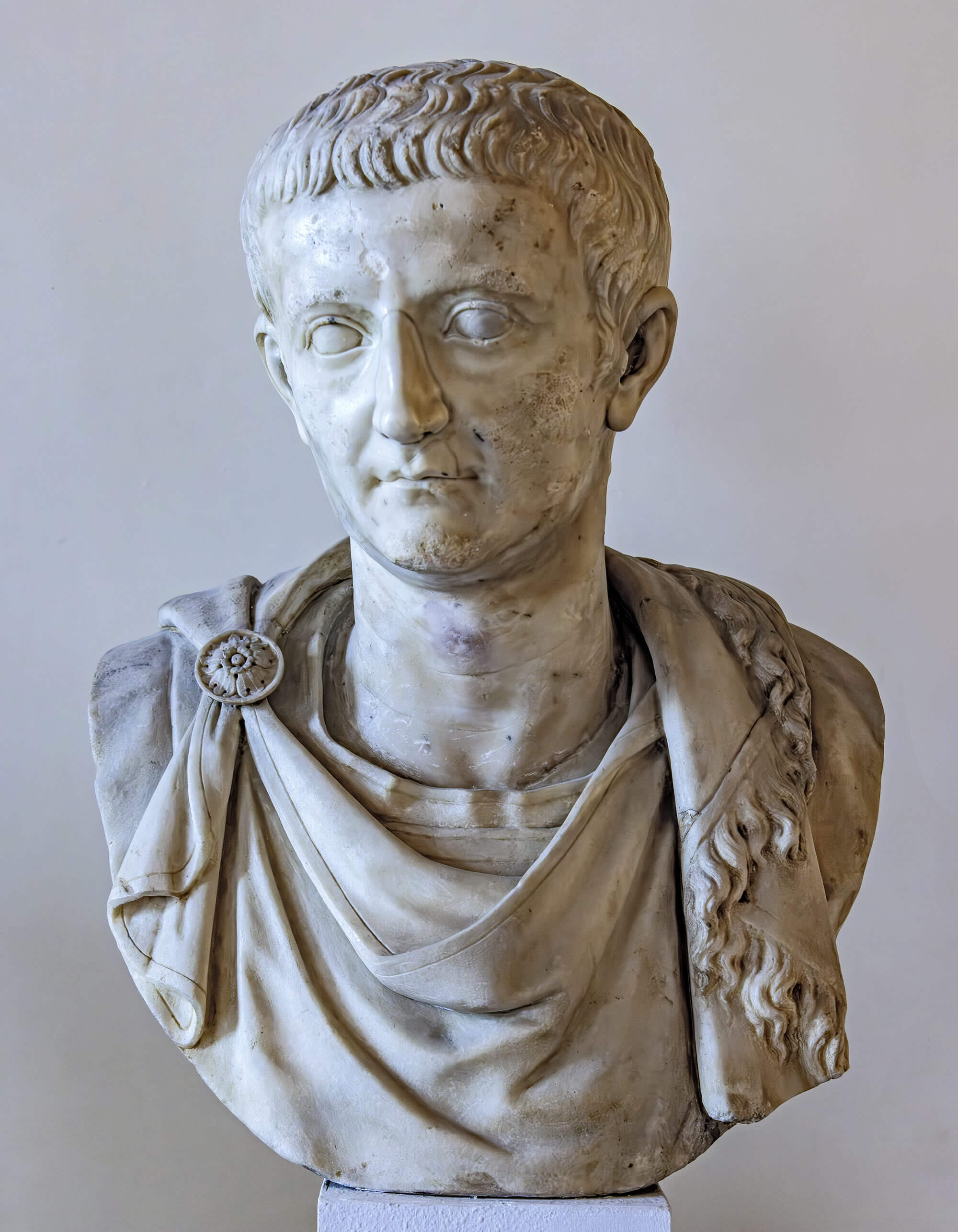
After Augustus, power passed to Tiberius (reigned AD 14 – 37), under whose rule the later life and crucifixion of Jesus took place. Tiberius governed through appointed officials, including the Roman prefect Pontius Pilate, who played a direct role in the events leading to Jesus’ execution. This period marked a time when imperial authority, local governance, and rising religious movements intersected—ultimately shaping one of the most significant turning points in world history.
Tiberius portrait Roman Emperor
The Parthian Empire in the Time of Jesus: Rome’s Powerful Eastern Rival
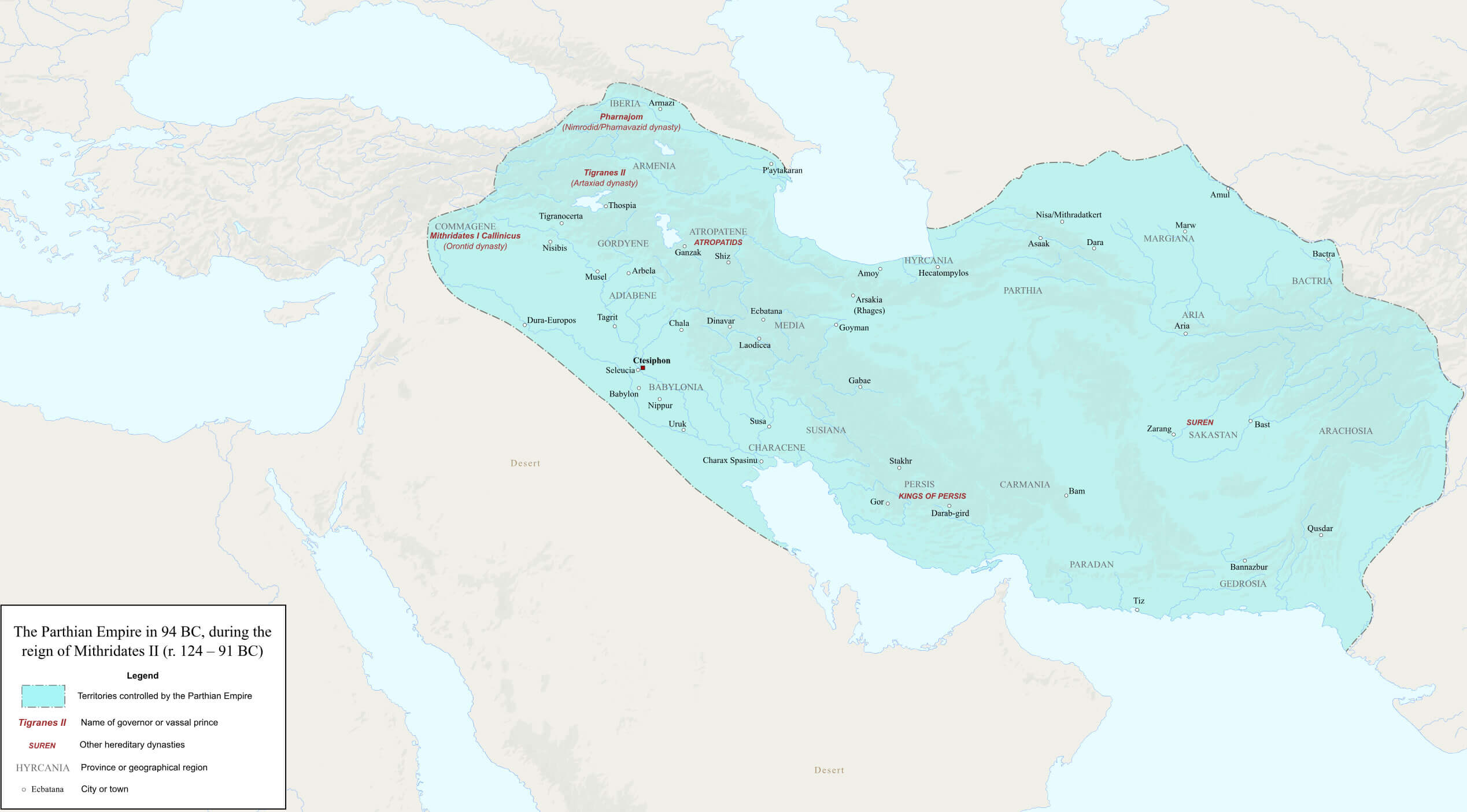
The Parthian Empire was one of Rome’s greatest rivals, dominating vast lands from the Middle East to Central Asia during the time of Jesus. Known for their skilled horse archers and powerful cavalry, the Parthians controlled key trade routes of the Silk Road, connecting East and West and fueling immense wealth and cultural exchange. Unlike Rome’s centralized rule, they governed through a network of semi-independent kings, creating a unique and flexible empire that could resist even the might of Roman legions—making them one of the most fascinating and formidable powers of the ancient world.
The Kushan Empire in the Time of Jesus: A Crossroads of Cultures and Trade
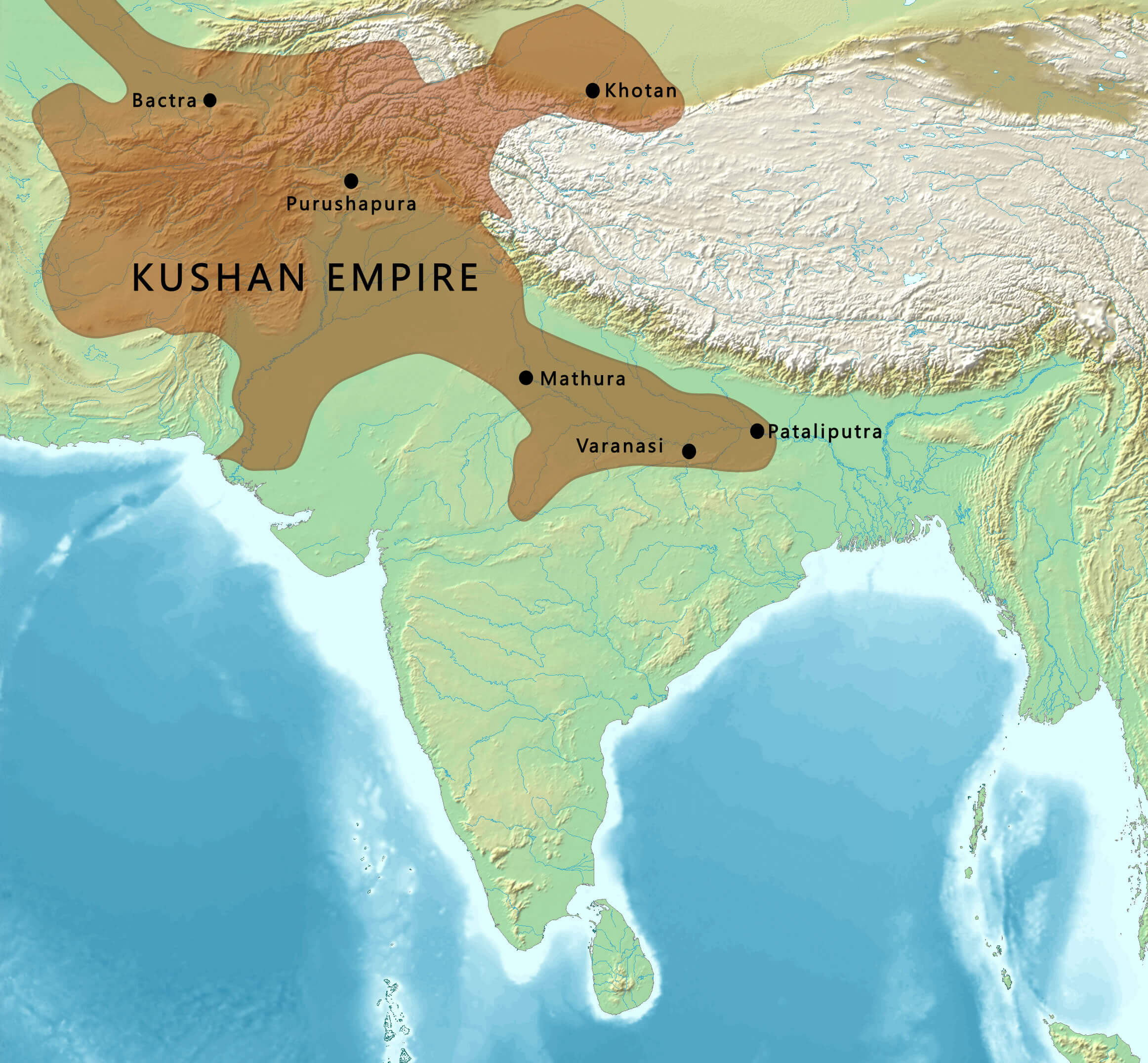
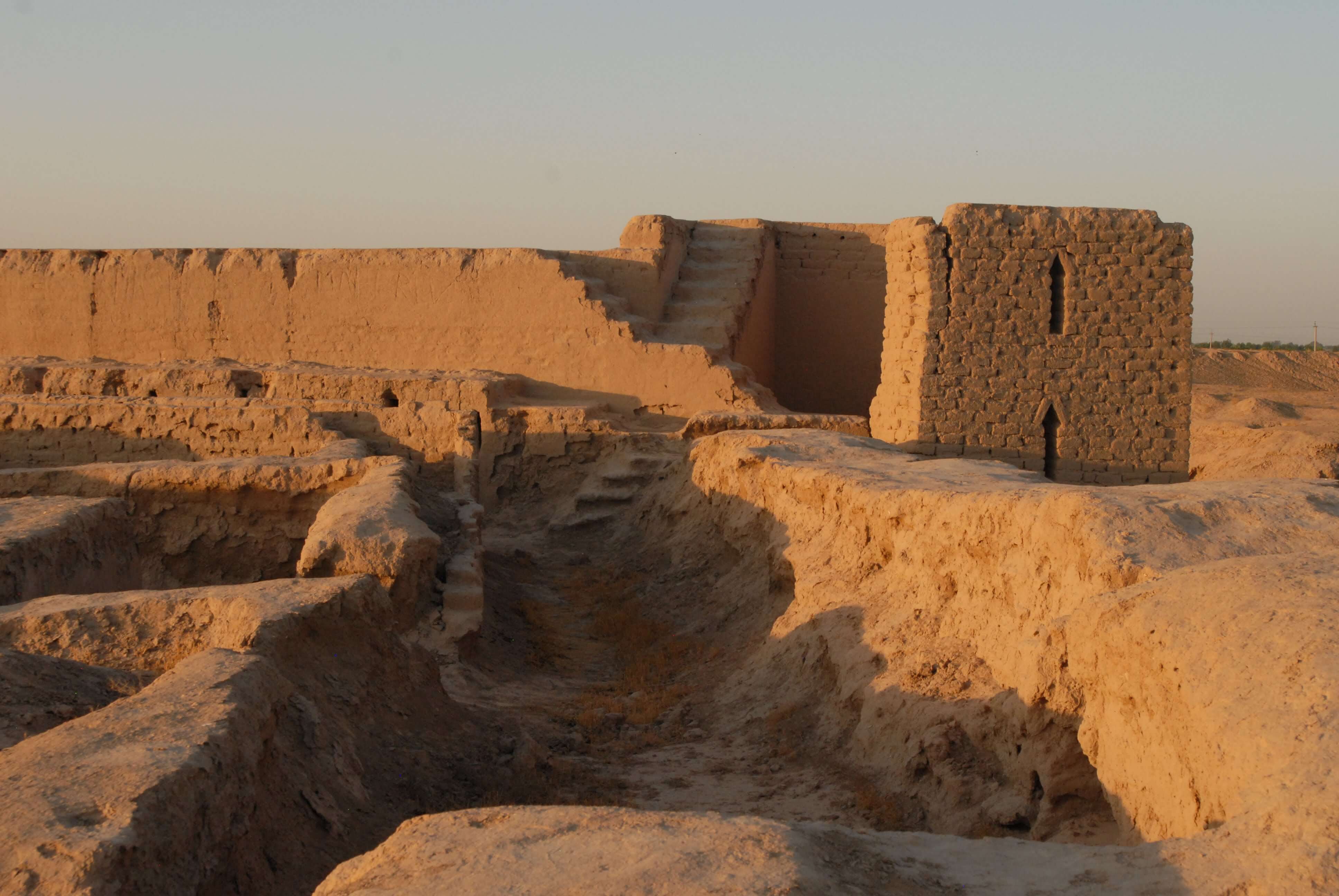
The Kushan Empire was one of the most influential yet often overlooked powers during the time of Jesus, stretching across parts of Central Asia, Afghanistan, and northern India. Positioned along the Silk Road, the Kushans became a cultural and economic bridge between East and West, facilitating trade, ideas, and religions. Under rulers like Kanishka, the empire played a key role in the spread of Buddhism and the blending of Greek, Persian, and Indian traditions—creating a unique civilization that thrived at the crossroads of the ancient world.
Han Dynasty China in the Time of Jesus: The Eastern Superpower of the Ancient World
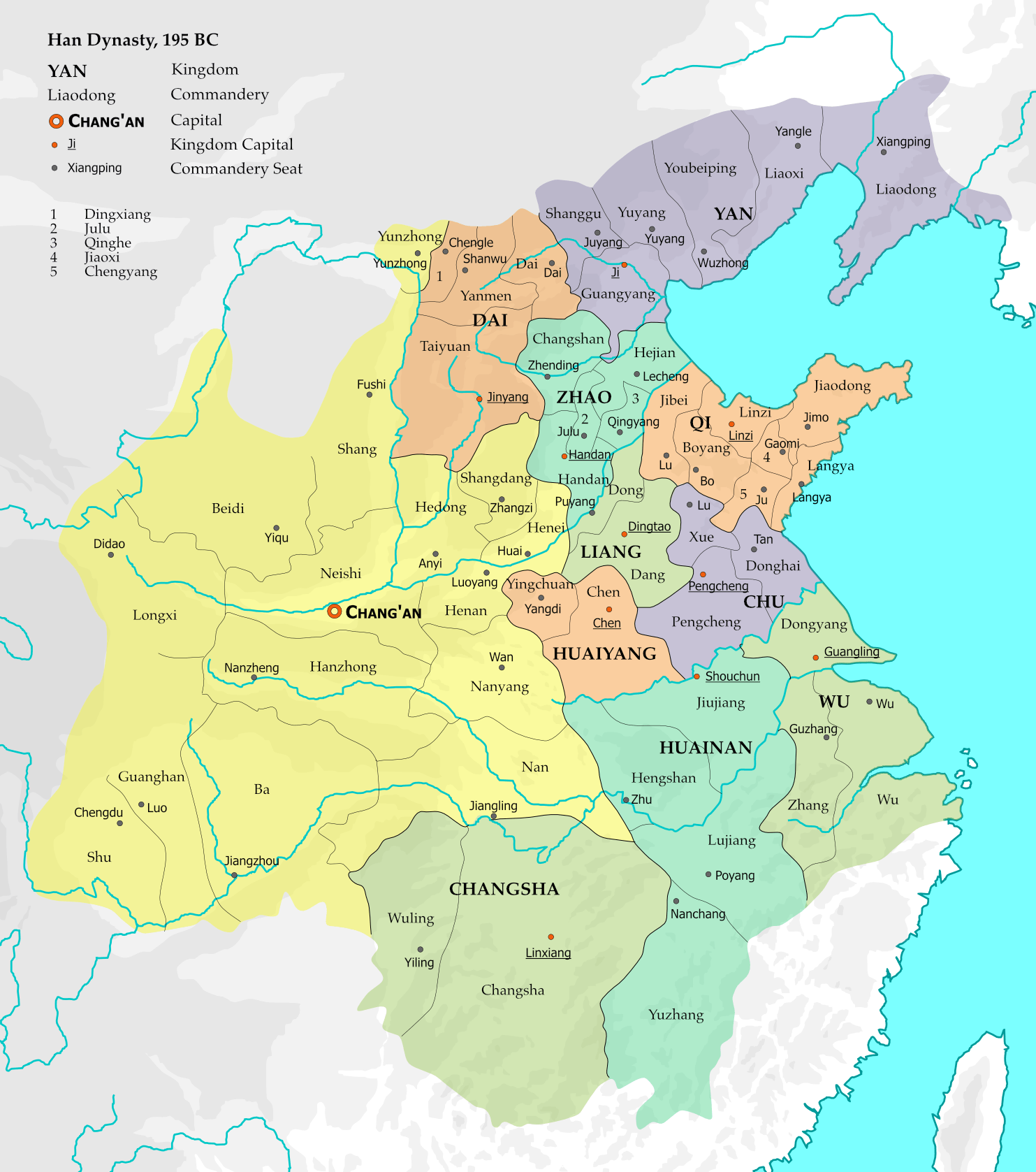
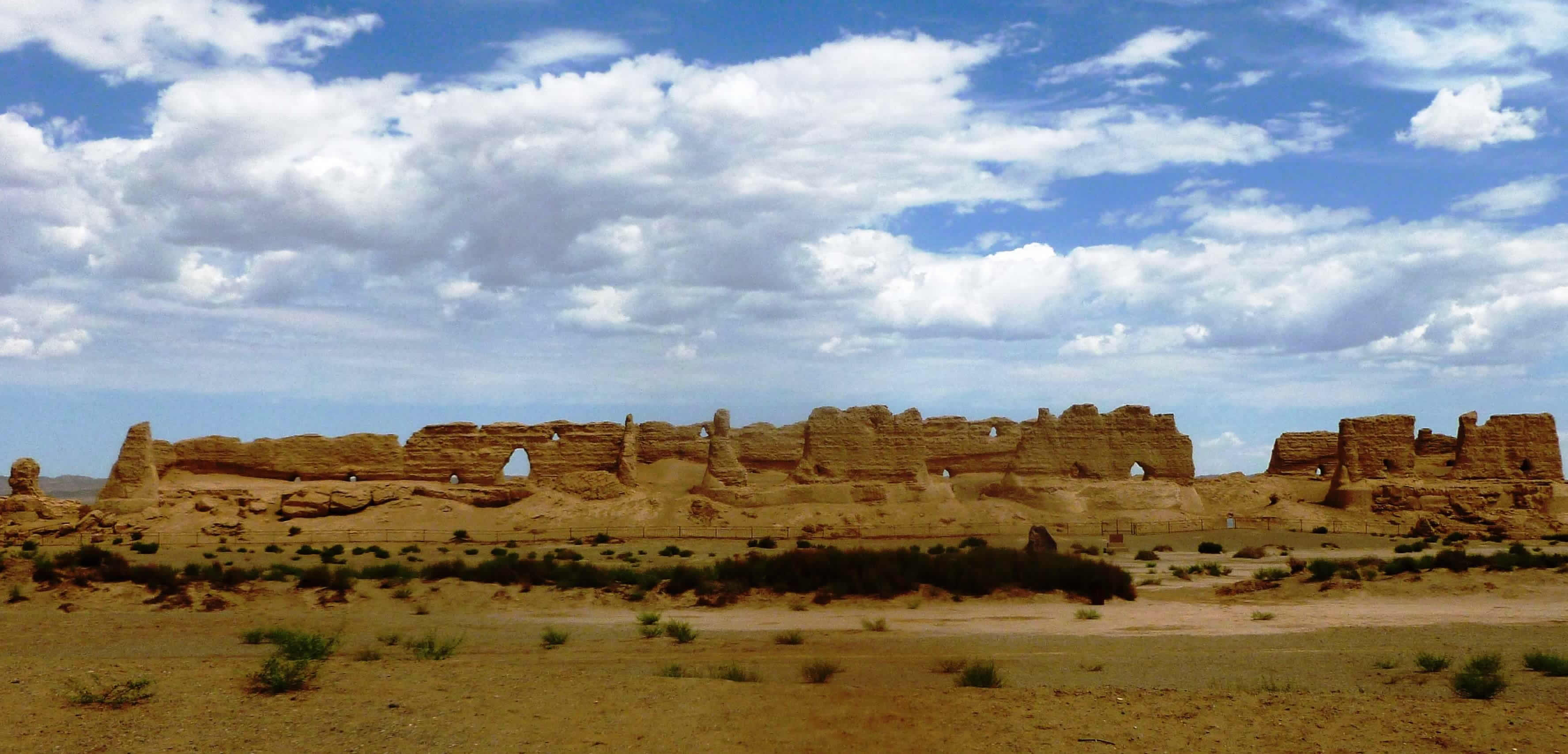
The Han Dynasty was one of the most powerful and advanced civilizations in the world during the time of Jesus, ruling over a vast and highly organized empire in East Asia. With a population of tens of millions, the Han Dynasty developed strong central governance, expanded trade through the Silk Road, and achieved major advancements in technology, science, and culture. From innovations like paper-making to a sophisticated bureaucracy based on merit, Han China stood as a cornerstone of stability and progress—making it one of the greatest empires of the ancient world.
World Population in the Time of Jesus
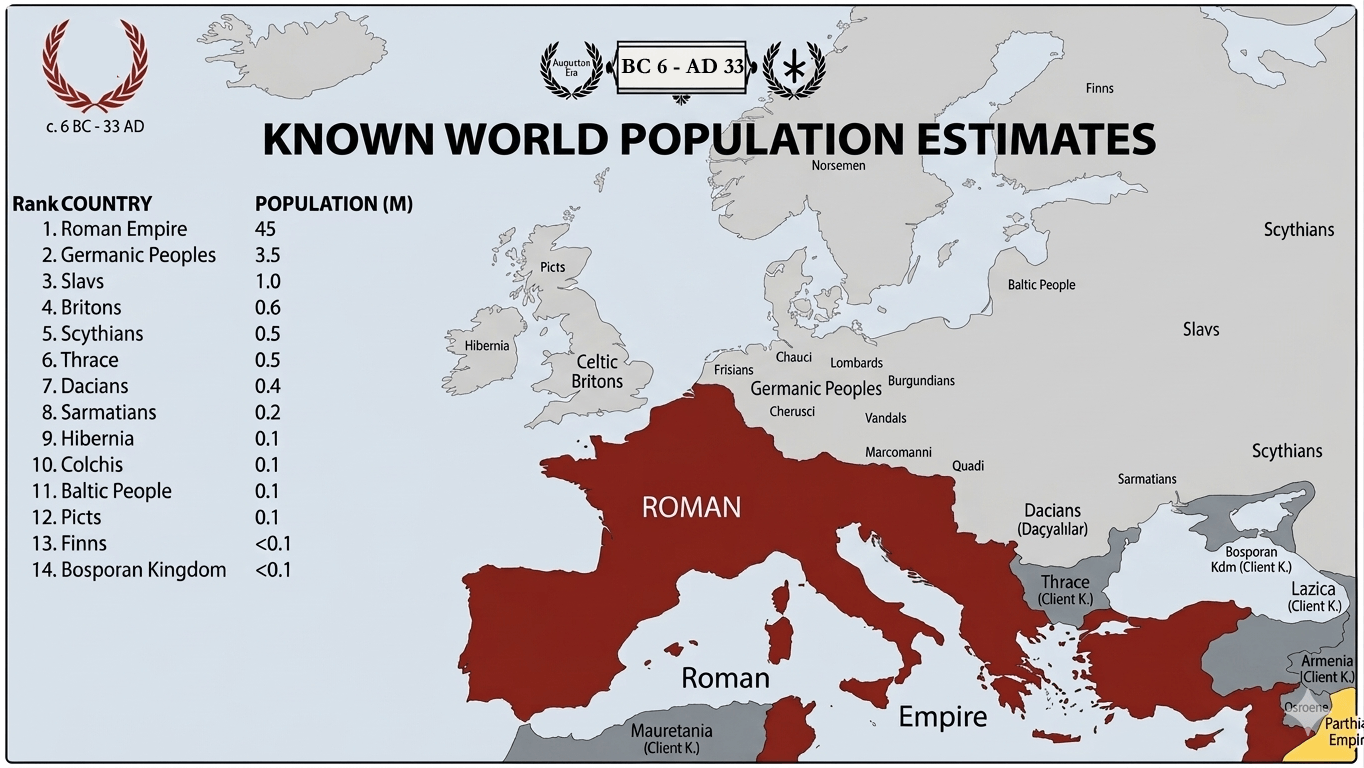
At the time of Jesus Christ, the world was far less populated than today—but already shaped by powerful societies and growing civilizations. Around 6 BC to AD 33, the Roman Empire dominated the Mediterranean world with an estimated population of over 40 million people, making it the most powerful and densely populated region of its time. Beyond Rome, various groups such as the Germanic peoples, Slavs, and Scythians spread across Europe and Eurasia, forming diverse societies that would later influence the course of history.
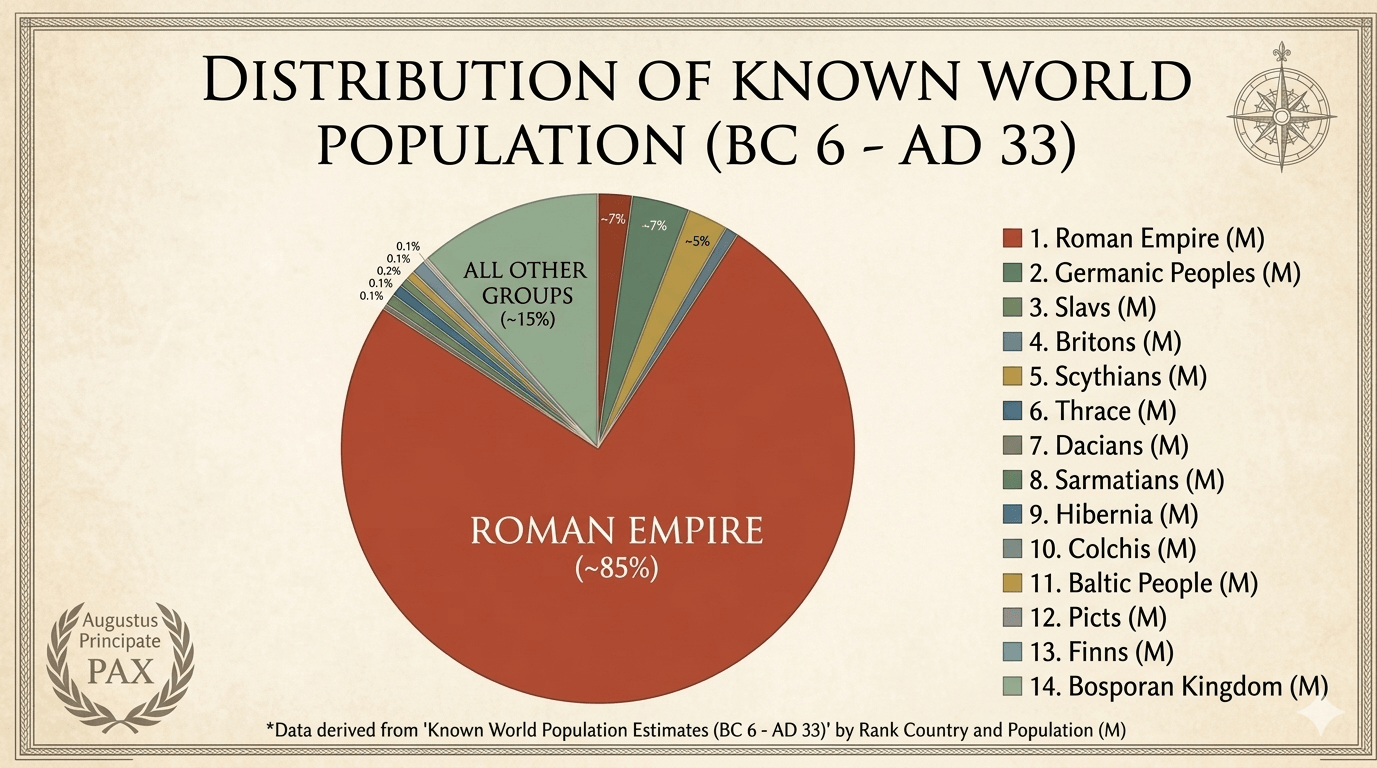
Despite the smaller global population, this era was far from simple—it was a dynamic and interconnected world. Trade routes, migrations, and cultural exchanges were already linking distant regions, while local tribes and kingdoms coexisted alongside vast empires. This map offers a fascinating snapshot of humanity at a turning point in history, where population, power, and belief systems were beginning to shape the world we know today.
Feel free to explore these pages as well:
- Head of Performance Marketing
- Head of SEO
- Linkedin Profile: linkedin.com/in/arifcagrici